Filling the Technology Gaps in a Manufacturing Operation
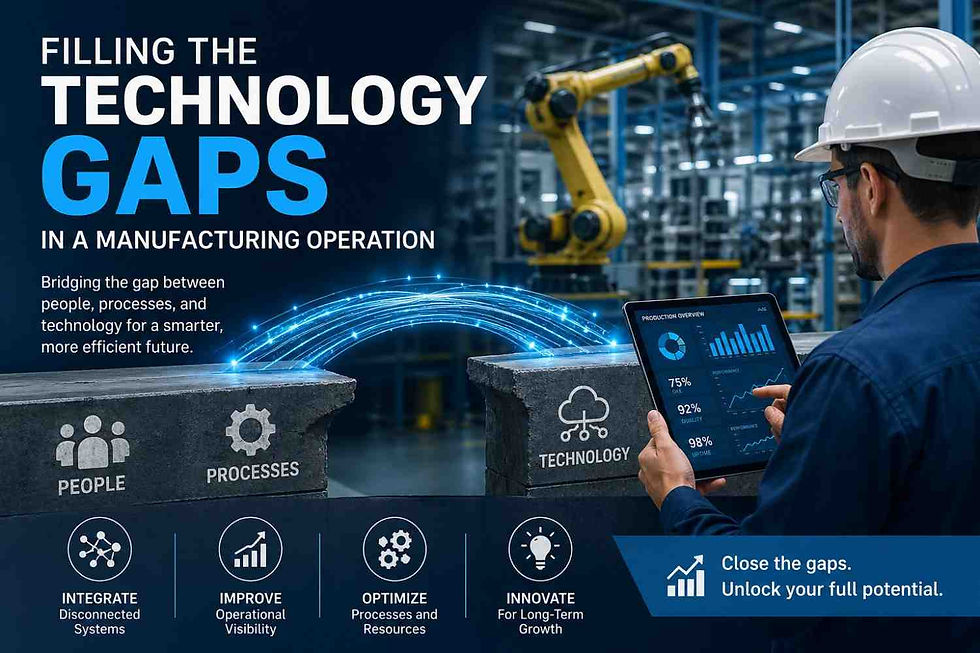
Technology gaps refer to disparities between current state-of-the-art (SOTA) technology and the required capabilities for future innovation, business goals, or societal needs. Key gaps include the digital divide (unequal access to internet/devices), the tech skills gap (workforce shortages in AI/cloud/cybersecurity), and corporate IT gaps (outdated legacy systems).
CoopSys helps businesses identify and address technology gaps through clear assessments, smart planning, and reliable IT support. With the right guidance, companies can improve performance, reduce risks, and build systems that support long term growth and daily operations.
What Are Technology Gaps in Manufacturing?
Technology gaps happen when a company uses tools that cannot meet its current needs. These tools may feel normal, but they do not support growth. In simple terms, technology gaps show the difference between what a business uses today and what it should use to work better.
How It Looks in Real Life
These gaps appear in everyday work inside a factory. For example, a worker may wait for a slow system to load. Another worker may fix the same issue many times. Over time, gaps in technology make simple jobs take longer and feel harder than they should.
Outdated Systems
Some companies still use old machines and software. These systems may crash or stop working without warning. Also, they may not connect well with newer tools. Because of this, teams face delays, mistakes, and extra work each day.
Slow Networks
A slow network can stop work from moving at a good pace. Files may take too long to open or send. Systems may freeze during tasks. As a result, workers lose focus and spend more time waiting than working.
Daily Inefficiencies
Small issues can build up and affect the whole operation. Workers may repeat steps or use manual work instead of simple tools. So, tasks take longer, and output becomes lower. This makes it harder for the business to grow and stay competitive.
Common Causes of Technology Gaps
Aging Equipment
Old machines and tools wear out over time. They break more often and work slower than before. Because of this, teams lose time and deal with more problems each day. This often leads to technology gaps that affect daily work and output.
Legacy Systems
Some businesses still use old software that no longer fits their needs. These systems may not connect well with new tools. As a result, work feels slow and hard to manage. Teams may need extra steps to finish simple tasks.
Lack of IT Strategy
A clear plan helps a business grow the right way. Without a plan, companies add tools without thinking about the future. So, systems may not work well together. This can cause confusion and slow down progress.
Poor Vendor Coordination
Some companies use many service providers at the same time. Each provider may follow a different process. Because of this, systems may not match or work smoothly. Problems can take longer to fix, which slows down the whole team.
Skills Shortages
Teams need the right skills to use modern tools. However, not all workers have training in new systems. This makes it harder to use technology in the best way. Over time, emerging technology gaps can grow as new tools appear and skills do not keep up.
Signs Your Business Has Technology Gaps
Slow systems: Computers and tools take too long to respond. Pages load slowly, and tasks take more time than expected. This is one clear sign of technology gaps in daily operations.
Frequent downtime: Systems stop working without warning. Machines may need restarts or repairs. As a result, work pauses and the team loses valuable time.
Security risks: Old systems often lack strong protection. Weak security can expose important data. This can create serious problems for the business and its clients.
Poor integration: Tools do not connect or share data well. Teams repeat tasks or enter the same data many times. This makes work slower and harder to manage.
Employee frustration: Team members feel stress when systems fail or slow down. Time gets wasted on fixing issues instead of doing real work.This shows market gaps technology problems that limit growth.
Risks of Ignoring Technology Gaps
Security Problems
Old systems often have weak protection. Hackers can find easy ways to get in and cause harm. This can expose private data and damage trust. Many of these issues come from technology gaps that businesses fail to fix on time.
Data Loss
Important files can get lost when systems fail or break. Backups may not work well, or they may not exist at all. Because of this, teams may lose records, reports, or client data. These risks often grow from gaps in technology that affect how data gets stored and protected.
Downtime
Systems can stop working without warning. Work slows down or stops while teams try to fix the problem. As a result, deadlines get missed and stress levels rise. This hurts daily operations and lowers output.
Higher Costs
Fixing problems over and over can cost a lot of money. Emergency repairs and system failures add up fast. So, businesses spend more instead of saving. Over time, small issues turn into bigger and more expensive problems.
Loss of Competitive Edge
A slow system makes it hard to keep up with other businesses. Teams cannot work fast or deliver on time. This can lead to lost clients and fewer opportunities. With the help of managed security services, businesses can protect systems and stay strong in a fast moving market.
How to Identify Technology Gaps
Check Your Current Systems
A clear review of all tools and systems helps show how work flows each day. Computers, software, and machines should run smoothly and support tasks. This step helps reveal technology gaps that slow down work and affect results.
Find Weak Points
Problem areas often show up as slow systems, errors, or tools that do not connect well. These issues make tasks harder to complete and take more time. Teams can use this step to see what needs to improve.
Compare with Business Goals
Business goals should guide how systems work. Tools need to support growth, speed, and better output. When systems do not match these goals, it shows a clear need for change.
Plan with a Clear Roadmap
A simple plan helps fix problems step by step. Clear goals and the right tools make progress easier to track. This approach helps manage emerging technology gaps and keeps the business ready for future needs.
How CoopSys Helps Close Technology Gaps
A Clear Plan with Technology Optimization Roadmap
CoopSys starts by checking your systems and finding what needs to improve. They build a simple plan called a Technology Optimization Roadmap. This plan shows what to fix and when to fix it. It helps businesses see and close technology gaps in a clear and easy way.
Reliable Managed IT Services
CoopSys takes care of daily IT tasks so teams can focus on their work. They manage systems, fix issues, and keep everything running well. This helps reduce stress and keeps work smooth and steady.
Strong Security Solutions
CoopSys protects systems and data from threats. They add tools that keep information safe and reduce risks. This helps businesses avoid problems and build trust with their clients.
Simple and Centralized Systems
CoopSys brings all systems into one place for easy control. Teams no longer need to deal with many vendors or tools. This makes work faster and easier to manage. It also helps solve market gaps technology issues by improving how systems work together.
Solutions to Fix Technology Gaps
Upgrade Outdated Hardware
Old machines can slow down work and cause delays. New hardware runs faster and works better with modern tools. This helps teams finish tasks on time and avoid daily issues. Upgrading systems is a simple way to fix technology gaps and improve performance.
Replace Legacy Systems
Old software can limit how a business grows. These systems may not work well with new tools or updates. Replacing them makes work easier and smoother. This step helps remove gaps in technology that slow down progress.
Improve Network Performance
A fast network helps teams share files and complete tasks quickly. Slow connections can delay work and cause stress. Improving network speed keeps systems running without problems. This supports better teamwork and daily output.
Consolidate Vendors
Using many vendors can create confusion and slow support. One clear provider makes it easier to manage systems. This helps fix problems faster and keeps everything in one place. As a result, work becomes more simple and organized.
Train Staff
Teams need the right skills to use modern tools. Training helps workers understand systems and avoid mistakes. Skilled staff can work faster and solve problems with ease. With strong managed IT solutions, businesses can support teams and keep systems running well.
Benefits of Closing Technology Gaps
Better productivity: Teams complete tasks faster when systems work well. Work flows without delays or repeated steps. This helps businesses fix technology gaps and get more done each day.
Faster systems: Updated tools run quickly and respond right away. Files open fast, and systems do not freeze. This makes daily work smooth and easy for everyone.
Improved security: Stronger systems protect data and reduce risks. Security tools help stop threats before they cause harm. This keeps business information safe and secure.
Reduced stress: Reliable systems lower frustration for teams. Workers spend less time fixing problems and more time doing real work. This creates a better and calmer work environment.
Long term growth: Better systems help businesses grow with ease. Smart tools like AI solutions support faster decisions and better results. This helps companies stay strong and ready for the future.
Are You Ready to Fix Your Technology Gaps?
CoopSys helps your business solve technology gaps with simple and smart IT solutions. Our team makes your systems faster, safer, and easier to manage. We support your growth with the right tools and clear plans. Contact us today to get started with CoopSys.
FAQs
1. What Are Technology Gaps?
Technology gaps happen when a business uses tools that do not meet its current needs. These gaps can slow down work and cause problems.
2. How Do Technology Gaps Affect Manufacturing?
They can slow systems, reduce output, and create more errors. This makes it harder for teams to finish tasks on time.
3. How Can a Business Fix Technology Gaps?
A business can upgrade old systems, improve networks, and train staff. A clear plan helps fix problems step by step.
4. Why Is It Important to Update Old Systems?
Old systems can break, slow down work, and create security risks. Updating them helps improve speed, safety, and performance.
5. How Can CoopSys Help With Technology Gaps?
CoopSys provides IT support, security, and planning services. They help businesses improve systems and keep everything running smoothly.